
As I sit here in 2026, looking at my gaming setup, it’s impossible to ignore the ripple effects that have cascaded through our favorite pastime. Remember when we all thought those policy changes were just headlines on the news? Well, they’ve come knocking on our digital doorsteps, and the gaming industry is feeling it in some pretty unexpected ways. It’s not just about numbers on a screen anymore; it’s about delayed game nights, shifting stock prices, and even the jokes we see in our favorite battle royales. Talk about reality intruding on our escape!
The Console Conundrum and Developer Dilemmas
Let’s start with the big one: hardware. The initial warnings from industry groups like the Entertainment Software Association were spot on. The impact on major console releases has been… let’s just say, educational. Remember the buzz around the Nintendo Switch 2? Pre-orders became a lesson in patience for fans in several countries, with delays that had everyone refreshing their tracking pages. It wasn’t just an inconvenience; it was a sign of deeper supply chain tangles.
And it’s not only about getting the box into your hands. The financial health of the studios making our games has been under pressure. We saw stock prices for several prominent Japanese developers take noticeable dips. It’s a stark reminder that the games we love are products of a global ecosystem. When one part of that system gets a squeeze, we all feel it. For developers, it’s meant recalculating budgets and timelines, which ultimately trickles down to what we, the players, experience.
The Tabletop Resurgence Hits a Snag
Now, here’s a sector that really tugs at the heartstrings. The tabletop gaming renaissance was in full swing—a beautiful return to physical, social play. But the manufacturing cost increases, reportedly as high as 104% for some titles due to the tariffs, threw a major wrench in the works. Big, beloved names in the space, titles that defined genres, suddenly found themselves in a fight for survival. Imagine a game like Glockhaven (a clear stand-in for the referenced title) facing the prospect of never getting a reprint or expansion because it’s simply too expensive to produce. It’s a gut punch for a community built on shared experiences around a table. This isn’t just about business; it’s about preserving a culture of play.
Fortnite’s Uncanny, Unplanned Commentary
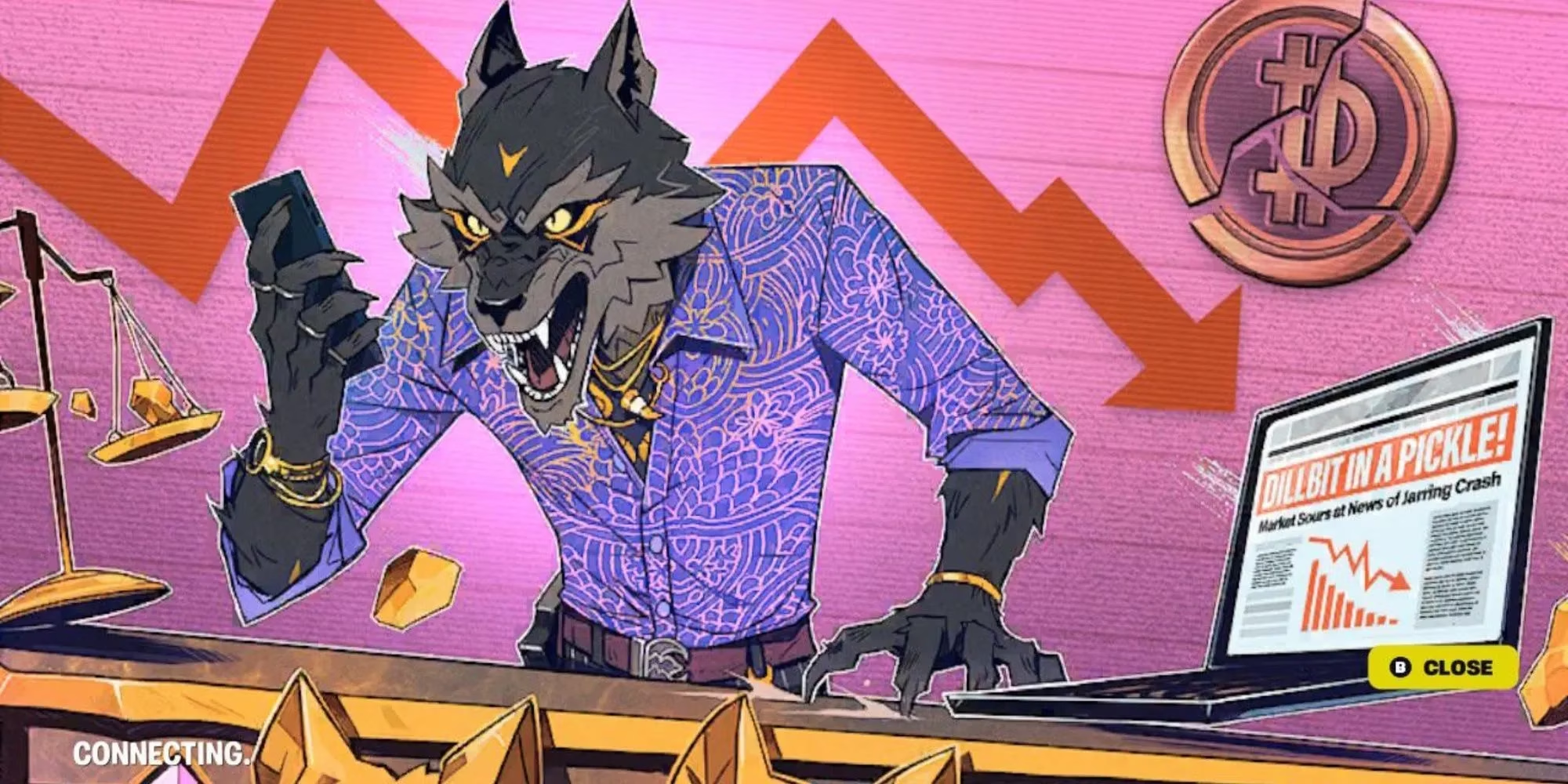
This is where things get meta, and honestly, a little hilarious. In the midst of all this economic chatter, Fortnite dropped a free loading screen called “The Big Dillbits Crash.” It featured the season’s villain, Fletcher Kane, looking utterly defeated in front of a plummeting financial graph for the in-game currency, Dillbits. The lore said it was a crypto-style scam that broke his economic hold on the island.
The timing was impeccable. As real-world markets experienced volatility, players logged in and were greeted by this digital depiction of a financial meltdown. I mean, come on! The coincidence was so perfect it couldn’t be ignored. Of course, Epic Games plans these seasonal narratives months in advance. There’s no way they coded this as a direct response to current events. But you’ve got to believe someone in that room cracked a smile when they realized the parallel. It’s the kind of accidental, cultural resonance that you just can’t script.
The player reaction was the best part. The community immediately connected the dots. Over on forums, the comments were golden:
-
“I never would have thought Fortnite of all things would joke about this,” one player mused, sharing the image. They followed up with the relatable quip, “In this economy, you’re stuck with your common rifles.” Ain’t that the truth? Sometimes you can’t afford the fancy mythics.
-
The political parallels weren’t lost on anyone either. Another comment riffed, “Jonsey put tariffs on everyone, sell everything,” while someone else joked about slapping “25% tariffs on Midas Gold and make Midas pay for it.” The references were clear, turning in-game economics into a mirror for our own.
Looking Ahead: The New Normal for Gamers
So, where does this leave us as we game forward in 2026? A few things have become clear:
-
Global is Local: What happens in trade policy directly affects our hobby. The cost of our games, the release dates of our consoles, and the health of our favorite studios are all interconnected on a global scale.
-
Community is Key: Whether it’s laughing together at an absurdly timely Fortnite loading screen or supporting tabletop creators through tougher times, the player community’s role has evolved. We’re not just consumers; we’re participants in a fragile ecosystem.
-
Adaptability Wins: The industry is having to adapt. We might see more regional pricing strategies, different manufacturing partnerships, or even shifts in how games are monetized and delivered.
In the end, gaming has always been a reflection of and an escape from the world. Now, it seems, the two are in a more intimate dialogue than ever. We’re playing in an economy, not just apart from it. And sometimes, all you can do is laugh at the loading screen, pick up your common rifle, and get on with the match. The game, after all, must go on.