How Fortnite Survived by Becoming Something Else
Fortnite's co-op survival roots in Save the World became a free battle royale that reshaped live-service gaming.
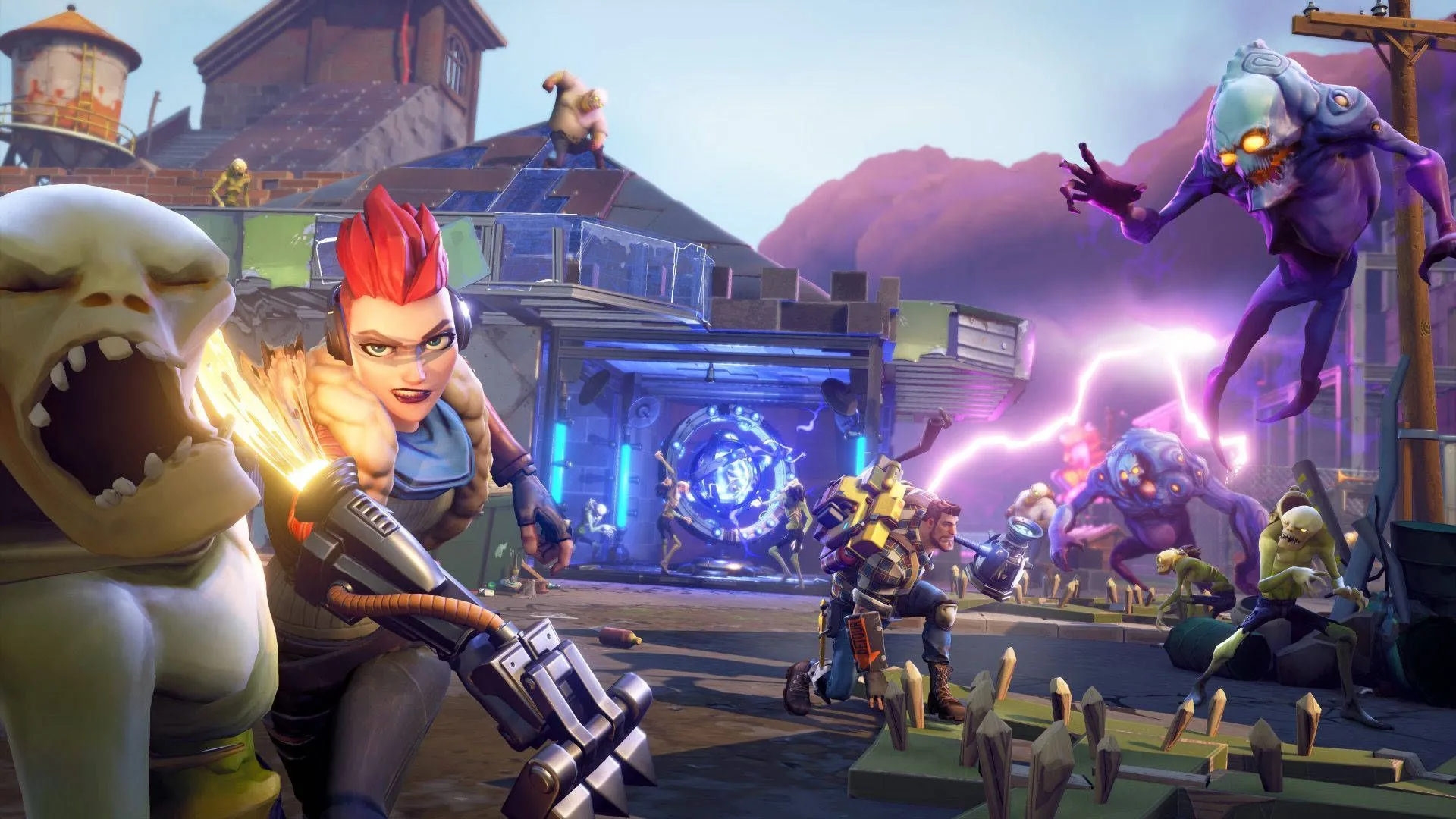
Long before Fortnite became a cultural monolith, it looked like a small, doomed survival game. When Epic Games revealed it at the 2011 VGAs, the trailer showed scavengers tearing apart an abandoned building for resources, then turning those materials into reinforced walls and deadly traps. As night fell, hordes of the undead filled the frame. The goal was simple: hold the line, survive until dawn, and do it again. For years, that was the whole promise.

Epic spent a long time building a co-op survival game around gathering, crafting, and wave-based combat. Many of those ideas survived into the battle royale that followed, though the crafting system and character models were remodelled by bigger budgets and millions of player requests. Save the World finally arrived in early access in July 2017, six years after its reveal. It was not a disaster, but it was not a triumph either. The gunplay felt fine. The building was clever. The whole thing, however, lacked enough charm to keep most players invested. For an ordinary player, it was a curiosity: interesting for an evening, forgettable by the weekend.
Then PUBG changed the conversation. The early access shooter dropped 100 players onto an island, asking them to scavenge weapons and survive until only one remained. It created tension and competition that traditional multiplayer had not captured in quite the same way. Countless imitators followed. Fortnite happened to be in the right place at the right time. By September 2017, Epic had pivoted. The studio took its base mechanics and assets, moved the action onto a massive island, and made the whole thing free to play. The first months were primitive: mandatory building, thin progression, and a rough learning curve. Then the battle pass arrived, and the game began to iterate on itself with unusual speed.
Was it shameless? Plenty of observers thought so at the time. Epic saw PUBG's success and capitalised on it. But shamelessness alone does not explain what Fortnite became. The game was free, it ran on consoles, and it offered a comparable experience to a PC-only phenomenon. Consistent updates, crossovers, promotions, and a growing universe turned it into something that could stand on its own. By 2026, many players know Fortnite only as a live-service giant. Its survival origins are trivia, a footnote buried under seasons, skins, and events.
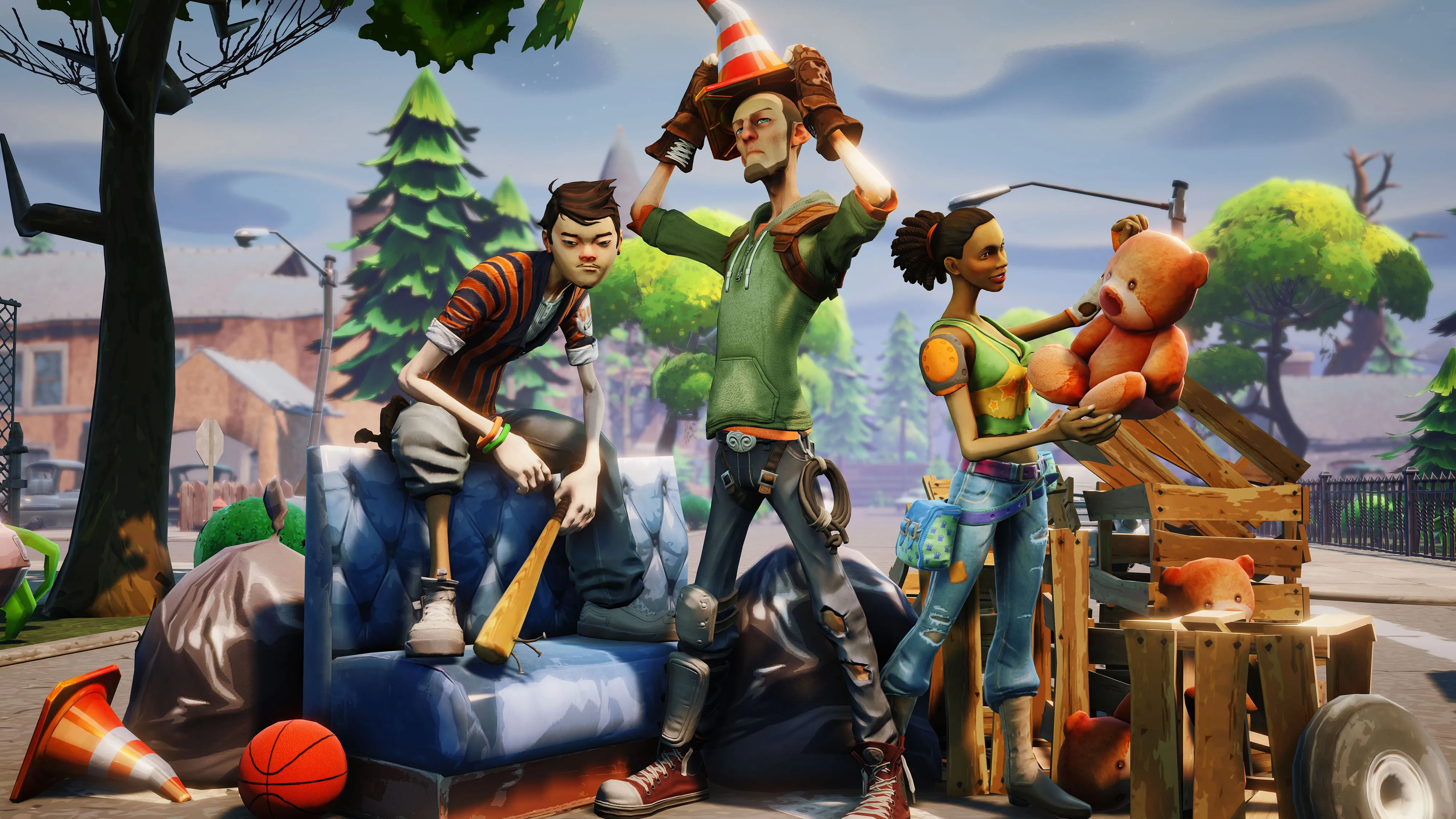
The bigger story is what Fortnite did to the industry. It helped usher in the age of live-service games, seasonal updates, and battle passes designed to keep players engaged for as long as possible. Every publisher wanted a forever game. Many misunderstood the strengths that made Fortnite work: accessibility, constant iteration, and a universe flexible enough to absorb almost anything. Would traditional MMORPGs and multiplayer shooters look the same without those extra bells and whistles? Or would another trend have arrived to shake things up? The battle royale genre did not invent competition, but it changed the rhythm of how games are released, updated, and sold.
| Era | Focus | Player promise |
|---|---|---|
| 2011 reveal | Resource gathering, building, undead waves | Survive the night |
| July 2017 early access | Save the World | Co-op survival with crafting |
| September 2017 pivot | Battle royale | Free, accessible, last one standing |
| 2026 | Live-service universe | Seasons, crossovers, constant updates |
Save the World is still accessible inside Fortnite today. Epic spent years updating it and promoting it, knowing that most fans had moved on to the fresher, faster battle royale. The effort still deserves credit. A few members of the original team believed in the vision that gave the project life, and without that vision, the battle royale would not exist. It began as a survival game with no real chance of surviving in its original form. So it evolved into something incredible. Who would have guessed that the little game about hammering walls and fighting zombies would end up rewriting the rules for an entire industry? 🎮🧟🏝️
The contrast is almost comical in hindsight. A project once dismissed as a derivative zombie survival mode became a platform for concerts, crossovers, and seasonal stories. Yet the old DNA never vanished. Players still gather materials, build cover, and scramble to survive when the circle closes. The difference is scale. What began as a niche co-op experiment became a global habit, and the survival game that seemed unlikely to last found a way to outlive its own origins. By 2026, that lesson remains hard to ignore: sometimes a game survives not by clinging to its first plan, but by becoming the thing its audience did not know it wanted.